


When I finished reading, and after I put The Book Thief down next to me on the swing, the warm and piercing winter sun dried the tears on my cheeks, and as the moments passed, my motionless and upturned face felt papery and dehydrated. The cold of my shoeless feet on this California afternoon on New Years Eve was so far from the freeze of Stalingrad.
My eyes were closed to that blinking and remote sunlight, closed to the clouded and sometimes clear blue sky; it reminded me of the yellow and blue from the book, the yellow and blue of Nazi Germany’s skies. Hazy mornings filled with smoke and rubble. Clear afternoons that overflow with the happy shouting of children in the street. Rudy’s hair, forever the colour of lemons. The vast, heavenly expanse on the day Liesel thought her last.
The colour motif was stirring. It is rare to find colour and imagery executed in such a profound way. How incredible that hues, which are scientifically personal to each human mind, can be piqued as they are in this story. The colours in this were overwhelmingly the primary ones—blue and yellow, namely, but even red, black, and white, though they are not on the primary colour wheel exactly, are familiar, rudimentary hues for mankind everywhere.
As such, the usage of non-primary colours was striking, and you knew to pay attention when silver, or “glossy gray”, were mentioned.
This read was heart shattering. Essential. Oh, so, so lyrical. There is a poetic quality to Zusak’s writing, and it is all very purposeful. In its ebbs and flows, there is electrifying intent.
I have a fondness for story within story. The Book Thief is one of those beautiful tales that is thick with all sorts of different inklings. The myriad stories held in the pages of the fundamental Story were sweet and, at times, sorrowful.
I liked the idea of having books within the book, because it paralleled the theme of personal history within world history.
Markus Zusak, Bonus Material: “the illustrations”
The personification Zusak employed was bewitching. Its consistent and unique usage created treasures of the imagination on almost every page. Though I have always loved this particular literary device, and have used it very often myself, I don’t think I realised just how truly powerful it could be until I read The Book Thief.
I weep often at books and their characters. It’s simply a part of who I am. But there are always those stories that touch your heart in an even deeper way. This was one of them. It’s of the kind that cannot really be articulated in the same way. While there are certainly things to write about and appreciate, as I have done here, there is also so much that I cannot give voice to. Above all, this book gave me a greater appreciation for my liberty–political, yes, of course, because the lack thereof made World War II possible, but also my spiritual and personal liberty. Thus, I am always grateful for these types of stories.
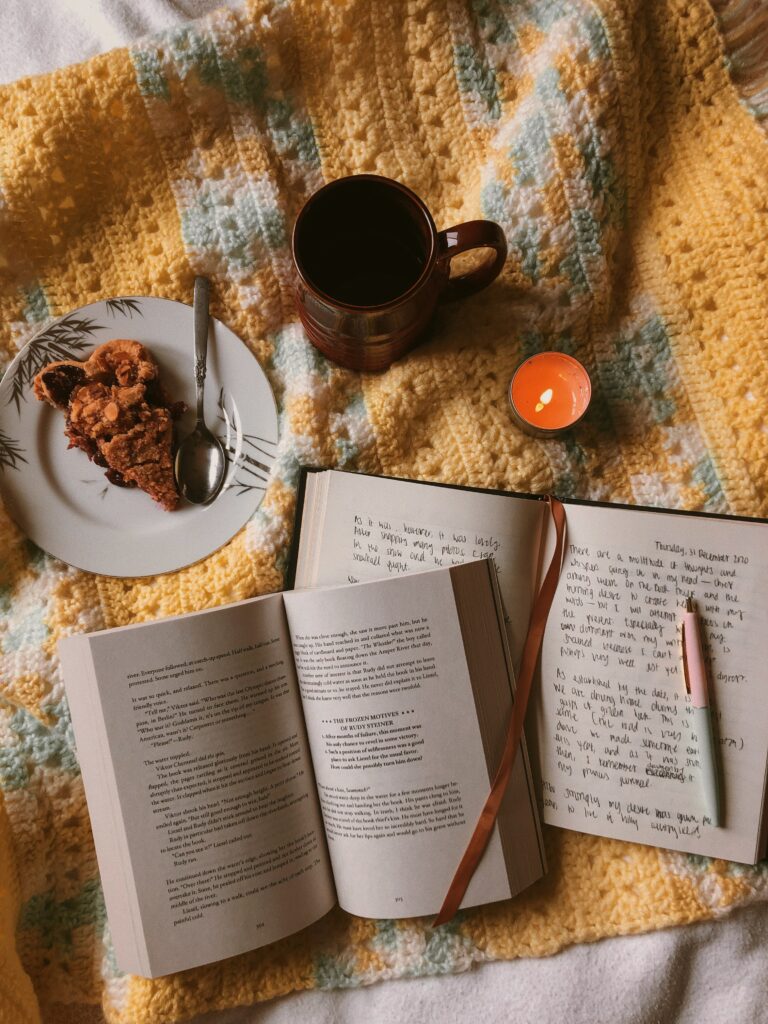
I feel like there is so much more that I could write about this book, and yet, I don’t think I have the words to do it justice. Hence, this is a very different style of expression as compared to my usual gushing analysis of books and their characters. Even as I read The Book Thief and reflected on it in the moments following the turning of the last page, I felt that my own vocabulary is trite in comparison to his. It would be very hard, honestly, to write further about the characters in this book, and the feelings I experienced, from both the emotional and writing perspective.
In any case, I have the overwhelming desire to be able to write like that. To write in a way that elicits overwhelming feelings in the hearts and minds of a readership. Zusak shared many of his struggles and triumphs in the creation of the story in the Bonus Materials, so I can certainly rest in the knowledge that this work of brilliance was hard-fought. And that is encouraging for my own writing endeavours, current and future.
I am no professional scholar, and I haven’t even begun my masters in lit yet, but I firmly believe that this book is a literary masterpiece. It is a modern classic already, and it will only grow to more acclaim in the years to come. If it is not already studied in some schools, it should be.
It is hard to piece together my thoughts on The Book Thief, and I feel like this is perhaps the strangest and most scattered “review” or “musing” that I’ve ever written, but it feels right for this story.
Thank you for reading!
If you’ve read The Book Thief, or have seen the film, I’d love to chat with you about it! Please let me know how you felt when you experienced this story for the first time. (Whether it was through the pages of the book, or in the cushy chairs at your local cinema.) I actually saw the film first, about a year after it came out, because I didn’t realise that it was an adaptation from a book. And we all know that the book is almost always better 😉